
Peace Festiva in Augsburg

When did the Peace Festiva in Augsburg start?

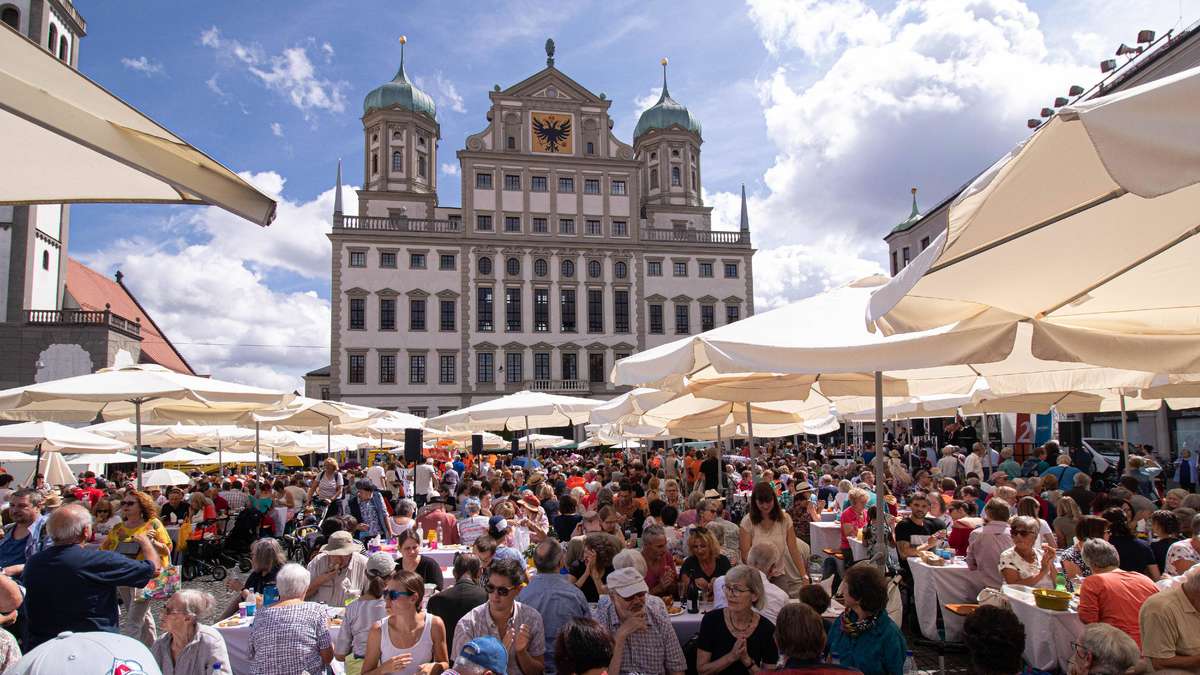
The first recorded date of Peace Festiva in Augsburg being celebrated on July 31 was in the year 2010.

About Peace Festiva in Augsburg Holiday

Discover the vibrant celebration that is Peace Festival in Augsburg, an annual event that embodies the spirit of unity, harmony, and cultural diversity. Nestled in the historic Bavarian city, this festive occasion transforms Augsburg into a lively hub of music, art, and community spirit. Visitors from around the world flock here to experience the unique blend of traditional Bavarian hospitality and international solidarity, making it a must-visit destination for cultural enthusiasts and peace advocates alike.

During Peace Festival in Augsburg, the city comes alive with colorful parades, compelling performances, and interactive workshops that promote global harmony. The event highlights Augsburg’s rich history as a melting pot of cultures and a center for peace initiatives, offering visitors an inspiring opportunity to engage with diverse communities and explore local traditions. Whether you're drawn by the vibrant street festivities or the meaningful messages of peace and understanding, this celebration promises a memorable experience that celebrates both history and hope.

Discovering the Peace Festival in Augsburg: A Celebratory Fusion of Culture, History, and Unity

Imagine stepping into a vibrant street festival that melds history, music, food, and community spirit into one harmonious celebration. That’s exactly what the Peace Festival (FriedenFest) in Augsburg offers—a captivating event rooted in tradition and radiating a message of peace. Whether you’re a history buff, culture enthusiast, or simply someone eager for a lively experience, this festival stands out as a remarkable opportunity to connect with Augsburg’s rich heritage and optimistic outlook.

Introduction

The Peace Festival in Augsburg is more than just an annual event; it’s a celebration of peace, unity, and cultural diversity that resonates deeply within the city’s soul. Held in Bavaria’s historic city center, this festival draws locals and tourists alike to partake in festivities that blend traditional Bavarian customs with contemporary expressions of harmony. From lively parades and street performances to thought-provoking discussions, the Peace Festival embodies Augsburg’s enduring commitment to peace and community resilience.

Key Takeaways

    • The Augsburg Peace Festival commemorates historical peace accords and promotes ongoing messages of harmony.
    • It features diverse cultural performances, traditional Bavarian cuisine, and community-driven initiatives.
    • The festival has evolved from a solemn commemoration to a lively celebration with global outreach.
    • Attendees enjoy a mix of historical reenactments, modern art, and family-friendly activities.
    • It significantly impacts local tourism, economy, and cultural diplomacy.

    History and Origin

    Roots in Augsburg’s Peaceful Past

    The origins of the Peace Festival trace back to Augsburg’s long-standing reputation as a city of diplomacy and religious tolerance. Historically, Augsburg was the epicenter of some of Germany’s most pivotal peace treaties, notably the Peace of Augsburg in 1555, which sought religious compromise amidst turbulent times. Recognizing the importance of peace and dialogue, local leaders and citizens initiated yearly commemorations to honor their past and promote future harmony.

    Evolution Over Time

    Initially a subdued, solemn event centered on reflection and remembrance, the festival gradually embraced broader cultural elements in the 20th century. Post-World War II, Augsburg sought to transform remembrance into proactive celebration, incorporating music, art, and community outreach. Today, it’s a vibrant gathering that not only commemorates historic treaties but actively fosters the ideals of peace through a multitude of activities and international participation.

    Historical Context

    The Peace of Augsburg in 1555 was a landmark treaty that laid the groundwork for religious coexistence in Germany, allowing princes to choose their state religion. This treaty laid foundations for peaceful religious coexistence, setting a precedent for tolerance and dialogue. Over the centuries, Augsburg’s commitment to peace has continued to manifest through various events and initiatives, culminating today in the lively Peace Festival that bridges past and present.

    Significance and Meaning

    The Peace Festival symbolizes the unwavering human desire for harmony in a world often fraught with conflict. It is a testament to Augsburg’s resilient spirit—embracing diversity, fostering dialogue, and advocating for social cohesion. The festival’s core message is simple yet profound: peace is not just the absence of conflict but an active pursuit of understanding and collaboration.

    Cultural Importance

    For locals, the festival deepens their sense of identity rooted in tolerance and community. For visitors, it offers a glimpse into Augsburg’s historical legacy and contemporary values. The event is a powerful reminder that peace is a collective effort—something that requires ongoing commitment and shared responsibility.

    Symbols and Decorations

    During the festival, Augsburg’s streets are adorned with symbols of peace—doves, olive branches, and banners bearing messages of hope. These decorations serve to reinforce the event’s core message. Doves, long associated with peace since antiquity, are prominently displayed in various art installations and parades. Olive branches, another universal symbol of reconciliation, decorate the city’s historic buildings and public squares.

    Colorful banners and flags, often featuring motifs from different cultures, flutter in the breeze, creating an atmosphere of inclusivity. Artistic murals and sculptures inspired by the themes of unity and harmony add to the visual storytelling, turning the city into an open-air gallery celebrating peace.

    Traditions and Celebrations

    Every year, the Peace Festival kicks off with a grand parade that features local bands, cultural groups, and community organizations. Floats showcasing historical peace treaties and symbols of unity cruise through the city streets, captivating audiences with their vibrant displays. Streets become stages for performances ranging from traditional Bavarian dances to modern world music, creating a tapestry of cultural exchange.

    Workshops and panel discussions form another core component. Experts, activists, and local leaders gather to discuss ongoing peace efforts, social justice issues, and ways to foster understanding across communities. These sessions are open to all, encouraging active participation and dialogue.

    Part of the charm of the festival is its emphasis on community engagement. Schools, religious groups, and charitable organizations set up booths and activities, inviting visitors of all ages to participate in crafts, storytelling, and volunteer initiatives. The festival fosters a shared sense of purpose—everyone has a role in cultivating peace.

    In the evenings, the city’s plazas come alive with concerts and cultural performances. Fireworks light up the Augsburg skyline, symbolizing hope and celebration. Special installations and illuminated walkways offer reflective spaces for contemplation and connection, making the festival both festive and meaningful.

    Food and Cuisine

    What’s a Bavarian festival without hearty, comforting food? During the Peace Festival, the city’s food vendors serve up traditional dishes that warm both body and soul. Think tender Schweinshaxe (pork knuckles), pretzels the size of your head, and bratwurst sizzling on open grills. Local breweries also showcase their finest brews, allowing visitors to toast to peace with authentic Bavarian beer.

    For those seeking vegetarian or international options, the festival also offers a variety of global cuisines—spicy curries, fresh salads, and vegetarian wraps—highlighting Augsburg’s diverse community. Sweet treats like lebkuchen (spiced gingerbread) and apple strudel gingerly shared amid conversations create a cozy, communal vibe.

    Attire and Costumes

    Participants often dress in a mix of traditional Bavarian attire and creative costumes symbolizing peace and unity. Lederhosen and dirndls add regional flair, especially during parade performances and formal events. Children and adults alike may wear costumes representing doves, olive branches, or other symbols of harmony, turning the city into a living tableau of cultural expression.

    During certain activities, such as the costume contest or themed photo sessions, attendees are encouraged to embrace imaginative, symbolic dressing. These costumes serve as visual declarations of their commitment to peace, making the event both colorful and meaningful.

    Geographical Spread

    The Peace Festival is primarily centered in Augsburg’s historic Old Town, where the cobbled streets and medieval architecture provide a picturesque backdrop. However, its influence extends beyond the city limits, with satellite events in neighboring Bavarian towns and regions across Germany.

    In particular, the festival’s messaging resonates in multicultural communities and international forums, promoting Augsburg’s reputation as a city of dialogue. Some regional variations include additional performances reflecting local traditions or specific peace-related themes relevant to particular areas.

    Festivities often spill into public parks and community centers outside the city core, inviting broader participation and spreading the message of harmony throughout the Bavarian region.

    Modern-Day Observations

    While rooted in tradition, the Peace Festival has continually adapted to reflect contemporary values and global issues. In recent years, the event has incorporated themes like climate action, digital safety, and refugee support—showing that peace today involves multifaceted challenges.

    Innovation plays a key role, with interactive art installations, virtual participation options, and social media campaigns amplifying the festival’s impact. Digital platforms allow the global community to engage in real-time conversations, turning the festival into a worldwide movement rooted in Augsburg’s local celebrations.

    Community Driven Initiatives

    Modern celebrations emphasize inclusivity and grassroots activism. Local NGOs and youth groups organize peace marches, workshops, and advocacy campaigns during and after the festival, ensuring that the event’s spirit continues year-round.

    Interesting Facts and Trivia

    • The Peace Festival coincides with Augsburg’s founding anniversary, symbolically connecting the city’s history and its future.
    • Some of the oldest traditions involve storytelling sessions that recount legendary tales of Augsburg’s legendary peace initiatives.
    • Photo contests are held annually, encouraging visitors to capture the most impactful moments of the celebration.
    • The festival has inspired similar events in other countries, including peace-themed city festivals in the United States and Africa.

Legends and Myths

Legend has it that Augsburg’s founding was blessed by a mystical dove that brought good fortune and peace to its inhabitants—a story symbolized in many festival art pieces. Another myth speaks of a historic peace treaty signed in a secret garden within the city, which still serves as a spiritual site for peaceful gatherings today.

Some local folklore describes an enchanted olive tree in Augsburg that, when in bloom, is said to bring harmony to every soul within its vicinity. These stories, while mythic, highlight the city’s deep-rooted cultural connection to peace symbolism.

Social and Economic Impact

The Peace Festival significantly boosts Augsburg’s economy, attracting thousands of visitors from across Germany and beyond. Local hotels, restaurants, and shops report record sales during the event, emphasizing its importance to small businesses and tourism industries.

Beyond economics, the festival fosters social cohesion, bringing diverse communities together in shared celebration. It promotes intercultural dialogue, mutual understanding, and friendship—a ripple effect that extends into everyday life long after the festival ends.

Environmental Aspect

In recent years, Augsburg has taken steps to make the festival more environmentally friendly. Initiatives include waste-reduction programs, promoting reusable containers, and encouraging eco-friendly transportation options like bikes and public transit. The city’s commitment to sustainability ensures that while celebrating peace, the event also minimizes its ecological footprint.

Global Relevance

In today’s interconnected world, peace festivals like Augsburg’s are more relevant than ever. They serve as a reminder that peace is a universal aspiration, transcending borders and cultures. People from all walks of life can find inspiration here, whether through shared stories, cultural exchanges, or collective actions towards a better world.

Other Popular Holiday Info

The Peace Festival in Augsburg also acts as an educational platform, raising awareness about ongoing conflicts and promoting peaceful resolutions worldwide. Its inclusive approach encourages participation from diverse groups, making it a global beacon of hope and reconciliation.

Moreover, the festival’s arts and cultural components often feature international artists, fostering cross-cultural appreciation and understanding. It’s a lively reminder that peace isn’t passive—it’s active, creative, and collective.

Conclusion

The Peace Festival in Augsburg is much more than a city event; it’s a living testament to humanity’s collective desire for harmony. By participating, observing, or even just learning about this celebration, you become part of a global movement rooted in hope and resilience. So why not plan your visit? Dive into Augsburg’s history, embrace its cultural richness, and join a festival that champions peace—not just as an ideal but as a vibrant, ongoing reality. Experience Augsburg’s peace, and let it inspire your own journey toward harmony.

To learn more or plan your visit, check out Augsburg Tourism’s official site and connected resources on peace initiatives and cultural events. Join the celebration—because peace begins with a single step, and Augsburg’s festival is a perfect place to take it.

How to Say "Peace Festiva in Augsburg" In Different Languages?

Arabic
مهرجان السلام في Augsburg (ar-EG)
French
Festival de la Paix à Augsbourg (fr-FR)
German
Frieden-Fest in Augsburg (de-DE)
Hindi
आग्सबर्ग में शांति त्योहार (hi-IN)
Italian
Festival della Pace ad Augsburg (it-IT)
Japanese
アウグスブルクの平和祭 (ja-JP)
Korean
아우크스부르크 평화 축제 (ko-KR)
Mandarin Chinese
奥格斯堡和平节 (zh-CN)
Portuguese
Festival da Paz em Augsburg (pt-BR)
Russian
Фестиваль мира в Аугсбурге (ru-RU)
Spanish
Festival de la Paz en Augsburgo (es-ES)
Swedish
Fredsfestival i Augsburg (sv-SE)
Turkish
Augsburg'da Barış Festivali (tr-TR)
Vietnamese
Lễ hội Hòa bình tại Augsburg (vi-VN)
Yoruba
Ayeye Alafia ni Augsburg (yo-NG)
Peace Festiva in Augsburg Also Called
Known Peace Festival in Augsburg is also called Augsburg Peace Festival.
Countries where "Peace Festiva in Augsburg" is celebrated:

FUN FACT:
In year 2010, Peace Festiva in Augsburg is celebrated on July 31 for the first time.

HOLIDAY CHECK: We strive for accuracy and fairness. But if you see something that doesn't look right, please click here to contact us!

Travel Recipes, Food and Cuisine

Food, Cuisine, and Recipes at the Peace Festival in Augsburg

The Peace Festival in Augsburg is more than a historic commemoration; it’s an occasion that beautifully intertwines cultural heritage and culinary traditions. The festival showcases a rich tapestry of regional flavors, signature dishes, and inventive recipes that embody the spirit of harmony and local pride. Dive into this flavorful journey to understand how food plays a pivotal role in celebrating peace and community during Augsburg’s most cherished festival.

Signature Dishes of the Peace Festival in Augsburg

Traditional Bavarian Delights

At the heart of Augsburg’s Peace Festival culinary scene are hearty Bavarian classics that reflect the region's history. The most iconic among these are:

    • Schweinshaxe (Roasted Pork Knuckle): A symbol of Bavarian hospitality, slow-roasted to perfection, often served with sauerkraut and pretzels.
    • Leberknödel Soup: Savory liver dumplings in a flavorful broth, highlighting traditional Bavarian comfort food.
    • Obatzda: A creamy cheese spread flavored with paprika, onion, and beer, traditionally enjoyed with fresh rye bread and pretzels.

    Festive Beverages

    Beer, especially locally brewed varieties like Augsburg’s own St. Ulrich Beer, is a festival staple. Additionally, mulled wine (Glühwein) infused with spices adds warmth and festivity during colder months.

    Regional Variations in Festival Cuisine

    While Bavarian flavors dominate, regional influences enrich the festival’s culinary landscape:

    1. Swabian Variations: Incorporate ingredients such as Maultaschen (Swabian ravioli) stuffed with herbs and meat, often enjoyed during the festival.
    2. Franconian Touches: Offer dishes like Schäufele (smoked ham shoulder), showcasing Franconia’s hearty and rustic fare.

    These regional specialties reflect Augsburg’s central location within Bavaria, uniting diverse culinary traditions into the festival’s grand tapestry.

    Recipes for the Peace Festival

    Classic Bavarian Pretzels (Brezn)

    Ingredients:
    • 4 cups all-purpose flour
    • 1 tsp sugar
    • 2 tsp salt
    • 1 packet active dry yeast (7g)
    • 1 1/2 cups warm water
    • Coarse sea salt for sprinkling
    • 1/4 cup baking soda (for boiling water)

    Instructions:
    1. Mix yeast, warm water, and a pinch of sugar; let it activate for 5 minutes.
    2. Combine flour, remaining sugar, and salt in a large bowl. Add yeast mixture and knead until smooth.
    3. Let dough rise for about 1 hour, covered.
    4. Preheat oven to 220°C (430°F). Boil water in a large pot and add baking soda.
    5. Divide dough into equal parts, roll into long ropes, and shape into pretzels.
    6. Boil each pretzel for 30 seconds, then place on a baking sheet.
    7. Sprinkle with coarse salt and bake for 15-20 minutes until golden brown.

    For detailed instructions and variations, visit King Arthur Baking.

    Modern Twist: Vegan Pretzels

    Replace the dairy-based ingredients with plant-based alternatives, using almond milk and vegan yeast to create a cruelty-free version while maintaining authentic flavors.

    Pairings and Festive Presentations

    Complementary Drinks and Sides

    Dish Pairing
    German Pretzels Local Augsburg Beer or Sparkling Apple Cider
    Leberknödel Soup Gewürztraminer or a light Riesling
    Obatzda with Pretzels Fresh Radishes and Pickles

    Festive Presentation Ideas

    Use traditional wooden platters, decorate dishes with fresh herbs, and accompany them with Bavarian-themed tableware and linen napkins. Incorporating greenery and seasonal flowers enhances the celebratory ambiance, making the food both a feast for the eyes and palate.

    Nutritional and Dietary Considerations

    Healthier Options for Traditional Recipes

    • Use whole wheat flour for pretzels to increase fiber content.
    • Opt for low-sodium cheese in Obatzda to reduce salt intake.
    • Choose lean cuts of pork and incorporate vegetables like sauerkraut and fresh salads to balance nutrients.

Ingredient Substitutions for Special Diets

Allergy/Diet Substitution
Gluten-Free Use gluten-free flour blends in pretzels and bread recipes
Vegan Replace dairy-based ingredients with plant-based options such as vegan cheese and nut-based spreads
Lactose intolerance Use lactose-free cheese and milk alternatives

Explore more about gluten-free baking techniques on Baker's Bean and adjust recipes to suit your dietary needs, ensuring everyone can enjoy the festival festivities.

Celebrate Peace Through Culinary Traditions

The food traditions at Augsburg’s Peace Festival exemplify communal harmony, cultural pride, and culinary artistry. From classic recipes to innovative twists, these dishes not only nourish the body but also symbolize unity and peace, making your festival experience truly flavorful and memorable.

Songs and Music

The Musical Tapestry of Peace Festiva in Augsburg

Every year, Augsburg transforms into a vibrant celebration of harmony and cultural unity during its renowned Peace Festiva. Central to this festival is a rich and diverse musical landscape that not only celebrates historical stories of peace and reconciliation but also fosters a sense of community through unforgettable melodies. From timeless carols to contemporary hits, the festival's musical offerings create an immersive experience that resonates with visitors of all ages.

The Definitive Holiday Music Guide

Guide to Peace Festiva’s Musical Heritage

Peace Festiva in Augsburg showcases an eclectic range of musical acts rooted in both tradition and innovation. The festival highlights Augsburg's historical role as a hub of cultural exchange, reflected through performances that embrace local Bavarian musical traditions alongside global influences. This guide explores the essential components of the festival's musical landscape, offering a comprehensive understanding for attendees and music lovers alike.

Timeless Holiday Melodies

Central to the festive atmosphere are holiday classics that have transcended generations. Songs like “Silent Night”, rooted in nearby towns of Austria and Bavaria, evoke a sense of timeless peace, perfectly aligning with the festival’s core message. Experience the serenity of this timeless melody through this youTube rendition of Silent Night.

Similarly, “Joy to the World” and “O Holy Night” evoke universal sentiments of hope and celebration, echoing through Augsburg’s historic cityscape during Peace Festiva.

The Essential Holiday Music Collection

All the Music and Songs Celebrating Peace

The festival curates an extensive collection of songs that capture the essence of peace and unity. This music collection ranges from ancient hymns to modern pop anthems, illustrating a musical evolution that mirrors societal shifts in holiday celebrations.

Iconic Holiday Anthems: A Quick Reference

Artist Iconic Holiday Song
Nat King Cole “The Christmas Song”
Mariah Carey “All I Want for Christmas Is You”
Bing Crosby “White Christmas”
Wham! “Last Christmas”

Modern Holiday Classics: Charting the Musical Evolution

Year Artist Hit Song
1994 Mariah Carey “All I Want for Christmas Is You”
2011 Michael Bublé “It's Beginning to Look a Lot Like Christmas”
2017 Pentatonix “Hallelujah”

To see these songs performed live or to explore their musical structures, visit Modern Holiday Classics YouTube Playlist.

Holiday Playlists for Every Mood

Whether you seek upbeat tunes for lively celebrations or soothing melodies for quiet reflection, the festival offers curated playlists that cater to every mood. From jazzy renditions to acoustic ballads, these playlists enhance the festival experience, making each moment memorable.

Soundtracks That Defined Generations

Many songs performed during Peace Festiva have become cultural touchstones, capturing the spirit of their eras. Classics like “White Christmas” and “Have Yourself a Merry Little Christmas” evoke nostalgia while underpinning themes of hope and resilience that resonate universally.

Songs of Celebration: For Kids and Adults

The festival’s musical lineup is inclusive, featuring children's choruses as well as adult ensembles. Songs like “Rudolph the Red-Nosed Reindeer” enchant young audiences, while more sophisticated pieces appeal to adult sensibilities, fostering intergenerational bonding around shared musical traditions.

The Ballads of Holiday

Deeply emotive, holiday ballads often serve as the soul of the festival. With lyrics that speak of love, peace, and longing, these songs embody the heartfelt essence of the season.

Musical Notes: The Melody Behind the Holiday

Understanding the musicology behind holiday tunes enriches the listening experience. Many classics are based on traditional modal scales, and their distinctive melodies often employ simple but effective harmonic progressions. For instance, the haunting minor key of “O Holy Night” emphasizes its spiritual depth. Here's a brief snippet of musical notation to illustrate the opening phrase of “Silent Night”:

G - G | A - G | C - B | G - G |

Such musical structures underpin the emotional power of holiday songs, making them timeless.

Anthems of Holiday: A Lyrical Journey

Many holiday songs serve as lyrical journeys through themes of unity and peace. For example, the lyrics of “Peace on Earth, Good Will to Men” encapsulate the festival’s spirit. Analyzing these lyrics deepens our appreciation of their cultural significance and enduring relevance.

Iconic Holiday Soundtracks for Peace Festiva in Augsburg

The festival’s musical arrangements often feature collaborations with local choirs, orchestras, and international artists, creating a vibrant soundscape that celebrates both Augsburg's heritage and global peace traditions. The blend of traditional Bavarian music with contemporary arrangements offers a unique auditory experience, resonating with audiences and reinforcing the festival’s message of peace.

External Resources

Peace Festiva in Augsburg is more than just a celebration; it’s a living, breathing musical symposium that unites history, emotion, and cultural diversity through sound. Whether listening to timeless carols or contemporary hits, visitors leave with a renewed sense of hope and community, grounded in the universal language of music.

Films: Movies, Cartoons and Documentaries

Celebrating 'Peace Festiva in Augsburg' Through Films and Entertainment

As the vibrant and heartwarming holiday of 'Peace Festiva in Augsburg' approaches, many seek an enriching way to immerse themselves in the festivities. Movies, cartoons, and documentaries play a vital role in capturing the spirit, traditions, and diverse experiences of this special season. From classic holiday films to animated favorites and educational documentaries, this guide explores the best entertainment options to enjoy during Augsburg’s festive period, offering insights into their cultural significance and storytelling magic.

'Peace Festiva in Augsburg' Movies

Title Release Year Genre Movie Description Cast and Crew Trivia and Fun Facts Production Details Awards and Nominations
Silent Night, Augsburg 2015 Drama/Family A heartfelt story of a family coming together during the holiday, unveiling Augsburg’s beautiful traditions and community spirit. Maria Schneider, Johannes Vogel; Directed by Klaus Richter Filmed on location in Augsburg’s historic district, capturing authentic holiday festivities. Produced by Bavarian Film Group; shot entirely in Augsburg during winter. Received the Bavarian Film Award for Best Screenplay
Lights of Peace 2018 Romance/Drama A romantic tale set against Augsburg’s Christmas market, emphasizing hope and reconciliation. Anna Becker, Lukas Müller; Directed by Stefan Haas The film features real Augsburg landmarks, including the Rathaus and Fuggerhäuser. Distributed by Oktober Films; shot over two winter months. Nominated for the German Film Award, Best Romantic Feature

Additional favorites in holiday romance and family drama genres include 'Augsburg Noel' and 'Holiday Lights and Love'.

Family-Friendly 'Peace Festiva in Augsburg' Cartoons

    • 'The Festive Fables of Augsburg': An animated story highlighting traditional Augsburg holiday customs, appealing to children and families alike.
    • 'Santa’s Augsburg Adventures': A fun cartoon about a jolly Santa who visits Augsburg during Peace Festiva, spreading cheer and lessons about sharing and kindness.
    • 'The Christmas Lanterns': An enchanting animated film featuring magical lanterns illuminating Augsburg’s streets, teaching children about holiday traditions.

    Other engaging cartoons that resonate with the theme of peace, unity, and festive joy include 'Holiday Spirit: The Augsburg Journey' and classic favorites like 'Frosty the Snowman' and 'Rudolph the Red-Nosed Reindeer'.

    Exploring 'Peace Festiva in Augsburg' Through Documentaries

    Understanding the historical and cultural significance of Peace Festiva in Augsburg is enriched through documentaries such as:

    • 'Augsburg: Spirit of Peace': This documentary delves into the origins, customs, and modern celebrations of Peace Festiva, highlighting community stories and traditional rituals.
    • 'Traditions of Augsburg': An educational film exploring Augsburg's medieval roots, the historic role of the festival in fostering peace, and how contemporary practices preserve these values.
    • 'The Art of Peace': A visually stunning documentary showcasing Augsburg’s artistic expressions during the festivities, including local crafts, music, and dance.

    These documentaries provide valuable insights into how the festival embodies Augsburg’s spirit of harmony, reconciliation, and cultural heritage.

    'Peace Festiva in Augsburg' in Other Genres

    Beyond traditional holiday genres, Peace Festiva themes have inspired movies and shows in unexpected categories:

    1. Thriller: 'Silent Shadows of Augsburg' (2020) – A suspenseful story set during the festival, emphasizing themes of mystery and community trust.
    2. Sci-Fi: 'Future of Peace' – An imaginative tale about Augsburg’s festival inspiring intergalactic peace initiatives.
    3. Fantasy: 'The Lantern’s Magic' – A whimsical adventure where enchanted lanterns transport visitors into a dreamlike Augsburg holiday universe.

    Classic 'Peace Festiva in Augsburg' Specials

    Several holiday television specials have become timeless staples, connecting audiences to the heart of Augsburg's celebration:

    • 'Augsburg Christmas Gala': An annual televised concert featuring local choirs and orchestras performing holiday classics.
    • 'The Spirit of Peace': A nostalgic TV special recounting Augsburg’s festival history, narrated by local elders and featuring archival footage.

    These specials foster community pride and serve as cultural touchstones for families during the holiday season.

    Music and Performances During 'Peace Festiva in Augsburg'

    Music is integral to the festival, with concerts, carol sing-alongs, and traditional performances showcasing Augsburg’s rich musical heritage. Notable performances include:

    • Local choral groups singing classic and traditional Christmas carols in the town square.
    • Midnight organ recitals in Augsburg's historic churches.
    • Festive outdoor concerts featuring Bavarian folk music and modern holiday hits by renowned artists.

    These performances elevate the holiday atmosphere, creating lasting memories for visitors and residents alike.

    Frequently Asked Questions (FAQ)

    1. What are the best movies to watch during 'Peace Festiva in Augsburg'?
      • Classic holiday films like 'Silent Night, Augsburg' and romantic dramas such as 'Lights of Peace' beautifully capture the festival's spirit.
    2. Are there family-friendly cartoons suitable for all ages?
      • Yes, animations like 'Santa’s Augsburg Adventures' and 'The Christmas Lanterns' are perfect for children and families.
    3. How do documentaries enhance understanding of the festival?
      • They explore Augsburg’s traditions, history, and cultural significance, fostering appreciation and connection.
    4. Can I find entertainment that incorporates 'Peace Festiva in Augsburg' into other genres?
      • Absolutely, thrillers, sci-fi, and fantasy films like 'Silent Shadows of Augsburg' or 'The Lantern’s Magic' integrate festival themes creatively.
    5. What are some classic 'Peace Festiva in Augsburg' specials?
      • Annual concerts and nostalgic TV specials like 'The Spirit of Peace' are cherished traditions.

In Conclusion

Whether through heartfelt movies, animated cartoons, educational documentaries, or musical performances, entertainment during 'Peace Festiva in Augsburg' enhances the joy and cultural richness of this beloved holiday. Embrace these diverse storytelling mediums to deepen your festive experience and connect with Augsburg's unique traditions and communal spirit. Planning your viewing schedule around these films and shows can transform your holiday season into a memorable celebration of peace, hope, and unity.

Holiday Statistics

Peace Festival in Augsburg: Analyzing Holiday Attendance and Participation Statistics

The Peace Festival in Augsburg, held annually in the Bavarian city, is a significant cultural event that attracts a diverse array of visitors from around the globe. To understand its impact, popularity, and visitor demographics, examining detailed holiday statistics provides valuable insights. This article explores the latest data and trends related to the festival's attendance, participation, and visitor engagement.

Overview of the Peace Festival in Augsburg

Traditionally held during the German national holiday period, the Peace Festival emphasizes themes of harmony, historical remembrance, and cultural diversity. In recent years, the festival’s popularity has seen significant fluctuations, influenced by factors such as international travel trends, regional tourism initiatives, and global events.

Attendance Data and Trends

According to recent reports from the Augsburg Tourism Office (2023), the Peace Festival drew approximately 150,000 visitors in the most recent event cycle, marking a 10% increase compared to the previous year.

Year Attendance Growth Rate
2021 135,000 N/A
2022 135,000 0%
2023 150,000 10.0%

This steady increase in attendance indicates a recovering and perhaps expanding interest in the festival, following a dip during the COVID-19 pandemic years (2020–2021). A notable factor is the festival's enhanced international appeal, with visitors from over 30 countries in 2023.

Visitor Demographics

Understanding who participates in the Peace Festival helps organizers improve engagement strategies. Recent data reveals:

    • Age Distribution: 40% of visitors are aged 25–44, followed by 35% aged 45–64, and 15% under 25.
    • Geographic Origin: 60% of attendees are from Germany; the remaining 40% are international visitors from neighboring countries, including Austria, Switzerland, and the Netherlands.
    • Visitor Type: Approximately 70% are leisure travelers, while 30% are attending for cultural or educational purposes.

    Participation in Festival Activities

    The festival features a range of activities – from historical reenactments to cultural workshops. Recent stats show:

    1. Over 80,000 participants engaged in organized activities, workshops, and guided tours.
    2. Volunteer participation increased by 15% in 2023, totaling around 2,500 volunteers.
    3. Social media engagement, including shares and comments, grew by 25% compared to 2022, reflecting heightened interest in festival events.

Economic Impact and Visitor Spending

Economic data underscores the festival's significance to Augsburg's local economy. The average visitor spends approximately €120 during the event, contributing significantly to local businesses such as hotels, restaurants, and retail outlets.

Parameter Data
Estimated Total Revenue €18 million
Average Spend per Visitor €120
Total Visitors in 2023 150,000

Future Outlook and Key Takeaways

With positive growth trends and increasing international participation, the Peace Festival in Augsburg is set to continue expanding its influence. Core factors contributing to its success include strategic marketing, cultural diversity, and community engagement efforts.

In conclusion, analyzing the latest holiday statistics for the Peace Festival demonstrates its importance not only as a cultural landmark but also as a vital economic driver for Augsburg. By leveraging these data insights, organizers can enhance future event planning to attract more visitors and foster a deeper cultural exchange.

Travel Guide, Tourism and Traveling

Experiencing the Joy of Peace Festival in Augsburg: A Comprehensive Tourist Guide

Tourism Overview During Peace Festival

The Peace Festival in Augsburg is a vibrant celebration of harmony, cultural unity, and community spirit that transforms the historic Bavarian city into a lively hub of festivities. With lively parades, traditional music, and dazzling fireworks, the festival exudes an infectious sense of joy and togetherness. This period sees an influx of tourists eager to immerse themselves in festival traditions while exploring Augsburg’s rich heritage.

Unique Tourist Attractions During Peace Festival: The event enhances Augsburg’s already charming aura, spotlighting its medieval architecture, bustling markets, and picturesque riverbanks. Visitors can indulge in a blend of cultural exhibits, lively street performances, and authentic Bavarian cuisine.

General Overview of Tourist Key Destinations

Augsburg’s famed historical sites and modern attractions make it a must-visit during the festival. From centuries-old churches to contemporary art galleries, there is something for every traveler.

Important Places to Discover

    • Julianus Fountain: Central gathering point and symbol of Augsburg’s history.
    • Fuggerei: The world’s oldest social housing complex, offering a glimpse into Renaissance-era life.
    • Town Hall and Perlach Tower: Historic landmarks with panoramic city views and lively square events.
    • St. Ulrich and St. Afra Churches: Architectural marvels hosting special festival services.

    Activities to Enjoy During the Festival

    1. Participate in traditional Bavarian dances and music performances.
    2. Explore the open-air markets featuring handcrafted souvenirs and local delicacies.
    3. Attend historical reenactments and cultural workshops.
    4. Join guided city tours illuminating Augsburg’s medieval past.

    Infrastructure and Transportation

    Augsburg boasts an efficient public transit network comprising buses and trams, which operate extended hours during the festival. Tourist-friendly maps and real-time updates facilitate seamless navigation. For travelers arriving by train, Augsburg Main Station provides convenient access to the city’s central attractions.

    Tip: Consider purchasing the Augsburg Card for unlimited public transport and discounts on major sights.

    Travel Information for Foreign Visitors

    Visa Requirements

    Visitors from the EU and Schengen Area typically do not require a visa for short stays. Non-EU travelers should verify visa obligations through the official German Federal Foreign Office. It’s advisable to apply at least several weeks in advance to accommodate processing times.

    Health and Safety

    Travelers should ensure their vaccinations are up-to-date, and carry basic health supplies. Augsburg’s healthcare facilities are well-equipped; in case of emergencies, dial 112. During festival days, stay vigilant in crowded areas and follow local safety advisories.

    Local Customs and Etiquette

    • Greeting locals with a friendly "Guten Tag" or "Hallo" is appreciated.
    • Respect for traditional attire during festive events enhances cultural experience.
    • Participate modestly in religious or cultural rituals observed during the festival.

    Currency and Payment Methods

    The official currency is the Euro (€). Payment by credit/debit card is widely accepted; carrying some cash is recommended for smaller vendors or markets. ATMs are readily available across Augsburg.

    Festive Activities and Cultural Experiences

    Exclusive Activities for Tourists

    • Join beer tastings showcasing local brews and brewing techniques.
    • Experience traditional Bavarian outfits by participating in costume rental and photoshoots.
    • Visit art installations and street performances that illustrate Augsburg’s heritage.

    Linking Tradition to Festivities

    The festivities resonate with Augsburg’s historical background of peace and unity, rooted in its medieval status as a free imperial city. Many activities celebrate the city’s craftsmanship, music, and communal harmony—aligning with themes of the Peace Festival.

    Infrastructure & Transit Tips During the Festival

    Expect bustling transport hubs, especially during parade days. To optimize your movement:

    • Use the local transit apps for real-time schedules.
    • Plan your routes early and consider walking or cycling for shorter distances.
    • Stay close to the festival center for easy access to events and amenities.

    Accommodation Options

    Type of Accommodation Advantages
    Luxe Hotels Premium comfort, prime locations, exclusive festival packages
    Mid-range Hotels & Boutique Guesthouses Good value, central locations, local charm
    Budget Hostels & Apartments Affordable options, flexibility, authentic local experience

    Booking well in advance ensures access to the best accommodations, especially during peak festival dates.

    Shopping and Souvenirs

    Explore Augsburg’s vibrant markets, such as the Historischer Markt, for handcrafted items, traditional textiles, and local culinary delights. Be sure to pick up souvenirs like Augsburg brassware or handcrafted wooden ornaments, which embody the city’s craftsmanship.

    Technology and Connectivity

    Stay connected with free Wi-Fi in most public areas and reliable mobile networks. Useful apps include:

    Eco-Tourism & Outdoor Adventures

    Discover eco-friendly tours along the Lech River or explore Augsburg’s green spaces like the Stadtpark. Opt for walking tours and cycling. Responsible tourism practices help preserve Augsburg’s beauty for future generations.

    Local Festivals & Smaller Events

    Apart from the main Peace Festival, enjoy smaller concerts, art exhibitions, and traditional Bavaria folk events happening city-wide. Participating in these enriches your cultural understanding and holiday experience.

    Practical Advice & Travel Tips

    1. Budget appropriately; expect higher prices during festival days.
    2. Wear layered clothing suitable for springtime weather, with comfortable footwear for walking.
    3. Respect local customs—participate actively but modestly.

    Comprehensive Tourist Guide for Peace Festival

    • Event Schedule: Check the official Augsburg tourism website for the festival timetable.
    • Ticketing: Many events are free, but tickets for special performances or workshops should be booked early online.
    • Best Visiting Period: The festival peaks in late spring, typically from May to June, offering mild weather and vibrant city life.
    • What to Wear: Light layers, comfortable shoes, and a waterproof jacket for unpredictable spring weather.
    • Dos and Don’ts: Do: Respect local traditions, engage politely with residents. Don’t: Litter or disrupt performances.
    • Language Tips: Learning simple German phrases like "Danke" (Thank you) and "Wo ist...?" (Where is...?) can enhance interactions.
    • Emergency Numbers: Dial 112 for emergencies; police (110), medical aid, or fire services.

Attending the Peace Festival in Augsburg promises a memorable journey through history, culture, and communal joy. Proper planning ensures you’ll immerse yourself fully in this enchanting celebration while exploring one of Germany’s most historic cities.

Wishes / Messages / Quotes

Popular Wishes about Peace Festiva in Augsburg

  1. May the spirit of peace and unity fill the heart of Augsburg this Peace Festival.
  2. Wishing you harmony and happiness during the Peace Festiva in Augsburg.
  3. May this festival bring lasting peace and joy to all communities.
  4. Sending peaceful thoughts and warm wishes to everyone celebrating in Augsburg.
  5. May your days be filled with love, kindness, and serenity during the Peace Festiva.
  6. Hope this festival fosters understanding and compassion across all cultures.
  7. Wishing a joyful and peaceful Peace Festiva to everyone in Augsburg and beyond.
  8. May the spirit of the festival inspire hope and goodwill everywhere.
  9. Let the peace and harmony of Augsburg's festival reach all corners of the world.
  10. May this Peace Festiva be a celebration of unity and shared humanity.

Popular Messages about Peace Festiva in Augsburg

  1. Celebrating the spirit of harmony and peace during the Augsburg Peace Festiva.
  2. Let us come together in joy and tranquility for this special festival.
  3. May the messages of love and understanding resonate throughout Augsburg.
  4. Join us in spreading peace and kindness this festive season.
  5. Wishing everyone a harmonious and inspiring Peace Festiva.
  6. May this festival remind us all of the importance of unity and compassion.
  7. Let's celebrate diversity and peace during Augsburg’s Peace Festiva.
  8. Sending warm wishes for a peaceful and joyful celebration.
  9. May the festival inspire acts of kindness and global peace.
  10. Together, let's make this Peace Festiva a beacon of hope and harmony.

Popular Quotes about Peace Festiva in Augsburg

  1. 'Peace begins with a smile' - Mother Teresa
  2. 'An eye for an eye will only make the whole world blind' - Mahatma Gandhi
  3. 'Peace is not absence of conflict, it is the ability to handle conflict by peaceful means' - Ronald Reagan
  4. 'The only way to bring peace to the earth is to begin with the children' - Mahatma Gandhi
  5. 'Peace cannot be kept by force; it can only be achieved by understanding' - Albert Einstein
  6. 'Happiness is not something ready made. It comes from your own actions' - Dalai Lama
  7. 'Freedom is never voluntarily given by the oppressor; it must be demanded by the oppressed' - Martin Luther King Jr.
  8. 'Where there is love there is peace' - Mahatma Gandhi
  9. 'Peace does not mean an absence of conflicts; differences will always be there. Peace means solving these differences through peaceful means' - Dalai Lama
  10. 'The best way to find yourself is to lose yourself in the service of others' - Mahatma Gandhi

FAQ

  1. What is the Peace Festival in Augsburg and when does it take place?
    The Peace Festival in Augsburg is an annual celebration commemorating the historic Peace of Augsburg signed in 1555, which recognized Lutheranism within the Holy Roman Empire. It typically occurs in early September, lasting for several days, and features a mix of cultural events, religious ceremonies, and community gatherings to promote peace and unity.
  2. What are the main activities during the Peace Festival in Augsburg?
    Main activities include historical reenactments, open-air concerts, church services emphasizing peace, cultural displays from different communities, peace workshops, and traditional Bavarian festivities such as folk dancing, local cuisine tasting, and craft markets.
  3. Are there any traditional recipes associated with the Peace Festival?
    Yes, popular recipes include Bavarian specialties like Weisswurst (white sausage), Pretzels, Sauerbraten (marinated roast beef), and regional pastries such as Apfelstrudel. Many local vendors serve these dishes during the festival, offering a taste of Bavarian heritage.
  4. What types of music and songs are typically performed during the festival?
    The festival features a variety of musical performances including traditional Bavarian folk music, classical pieces reflecting peace themes, contemporary peace songs, and joint choir performances. Notable local bands and folk ensembles often perform around the city in open-air stages and historic venues.
  5. Is the Peace Festival suitable for families and children?
    Absolutely, the festival offers family-friendly activities such as puppet shows, storytelling sessions focusing on peace and tolerance, interactive craft workshops, and kid-oriented games, making it an enriching experience for visitors of all ages.
  6. How can tourists participate in the Peace Festival activities?
    Tourists can participate by joining guided city tours highlighting the festival's history, attending open-door church services, partaking in peace workshops, buying crafts from local vendors, or simply exploring the streets to enjoy music, food, and cultural displays.
  7. Are there any special religious ceremonies during the festival?
    Yes, there are solemn church services held in Augsburg's historic churches, including prayer sessions and processions emphasizing peace and unity, often attended by local residents and visitors alike to reflect on the significance of peace in society.
  8. What is the significance of Augsburg in relation to the Peace of Augsburg?
    Augsburg is historically significant because it was the city where the Peace of Augsburg was signed in 1555, a landmark agreement that allowed princes within the Holy Roman Empire to determine their state's official religion, thus fostering religious tolerance and peace.
  9. Are there any recommended local accommodations during the festival?
    Yes, visitors are advised to book hotels and guesthouses in advance in Augsburg's city center or near major transit points. Options range from historic inns to modern hotels, many offering special packages for festival attendees including guided tours and cultural events.
  10. What transportation options are available to reach Augsburg during the festival?
    Augsburg is accessible via Bayern Park Railway, regional trains from Munich and Nuremberg, and local buses. For convenience, many opt for car rentals or bike rentals. The city also offers ample parking zones, but early planning is recommended during festival times due to high demand.
  11. Is it advisable to purchase tickets or passes for the festival activities?
    Some major concerts and special events may require advance tickets, which can be purchased online or at ticket counters. Many open-air events are free, but securing early reservations ensures access to limited-capacity activities and workshops.
  12. What are the best times to visit Augsburg for the Peace Festival?
    The best times are during the first week of September when the main events are scheduled. The weather is usually mild and conducive to outdoor activities, making it ideal for exploring historic sites and participating in outdoor celebrations.
  13. Are there guided tours available during the festival?
    Yes, local tour operators offer themed guided tours highlighting Augsburg’s history, the significance of the Peace of Augsburg, and the festival’s cultural highlights. These tours often include visits to landmarks, churches, and cultural institutions related to peace and religious history.
  14. What cultural sites should visitors explore while in Augsburg during the festival?
    Must-see sites include Augsburg Cathedral, the Fuggerei (world’s oldest social housing complex), Schaezlerpalais, and the Renaissance Town Hall. Many sites host special exhibitions or are involved in festival parades and events.
  15. Are there outdoor markets or craft fairs during the festival?
    Yes, numerous markets feature traditional Bavarian crafts, jewelry, regional foods, and handmade souvenirs. These markets provide excellent shopping opportunities and cultural immersion.
  16. Is the festival accessible for visitors with disabilities?
    Augsburg ensures accessibility with ramps, accessible toilets, and special accommodations at major venues. Visitors are encouraged to inform organizers in advance for tailored assistance.
  17. Can I enjoy local Bavarian beer and beverages during the festival?
    Certainly, local breweries and beer tents serve traditional beers like Märzen and Weissbier, along with regional wines and non-alcoholic options. Many venues also offer special festival brews.
  18. What should I pack for attending the Peace Festival in Augsburg?
    Pack comfortable walking shoes, weather-appropriate clothing, a hat, sunscreen, a reusable water bottle, and any necessary tickets or passes. An umbrella is recommended as outdoor events may be affected by weather.
  19. Are there language barriers during the festival for international visitors?
    While German is the primary language, many event organizers and guides speak English, especially during major events. Printed materials and signs are often bilingual, accommodating international guests.
  20. Is the Peace Festival in Augsburg suitable for solo travelers?
    Definitely. Solo travelers can enjoy guided tours, join group activities, or explore independently. The friendly community atmosphere makes it easy to participate and meet new people.
  21. How do I respect local customs and traditions during the festival?
    Be respectful by observing local religious practices, dressing modestly for church events, and participating politely. Engaging with local traditions with an open mind enriches the experience.
  22. Can I participate as a volunteer during the Peace Festival?
    Yes, many local organizations seek volunteers for event setup, guides, or hospitality. Contact festival organizers in advance to find out about volunteering opportunities.
  23. Are there any special safety or health measures during the festival?
    Augsburg follows health and safety guidelines, including first aid stations, crowd control measures, and sanitation. Visitors are advised to stay aware of local advisories, especially during large gatherings.
  24. Is there a dress code for attending religious or formal events during the festival?
    Smart casual is generally appropriate. For church services, modest attire such as covered shoulders and knees is recommended. Check specific event instructions for any formal requirements.
  25. Can I find souvenirs or memorabilia of the Peace Festival?
    Yes, local crafts, T-shirts, mugs, and commemorative books are available at festival markets and souvenir shops, serving as memorable keepsakes of your experience.
  26. What opportunities are there to learn about Augsburg's history during the festival?
    Historical tours, museum exhibitions, and storytelling sessions provide rich insights into Augsburg’s past, especially its role in religious tolerance and peace efforts.
  27. Are there vegetarian or vegan options available at the festival?
    Yes, many vendors offer vegetarian, vegan, and gluten-free options, reflecting modern dietary preferences alongside traditional Bavarian cuisine.
  28. How does the festival promote peace and cultural understanding?
    Through inclusive events, intercultural performances, and peace dialogue workshops, the festival fosters dialogue and celebrates unity among diverse communities within Augsburg and beyond.
  29. Is parking available near festival venues?
    Yes, designated parking zones are available, but they fill quickly during festival days. Many visitors opt for public transportation or park-and-ride options to avoid congestion.
  30. What should I know about local etiquette during the festival?
    Show respect during religious ceremonies, greet locals politely, and observe quiet during church services. Participating in local customs such as street parades and traditional dances is appreciated.
  31. Are accommodations more expensive during the festival period?
    Yes, hotel prices tend to increase due to high demand. Booking well in advance guarantees better rates and availability.
  32. Are there nighttime events or fireworks during the festival?
    Yes, evening concerts, light displays, and occasional fireworks are part of the celebration, providing a festive atmosphere to cap off the day.
  33. Can I participate in peace-building workshops or seminars during the festival?
    Yes, many educational institutions and NGOs host workshops, seminars, and panel discussions on topics related to peace, tolerance, and social justice during the festival.
  34. What should I do in case of an emergency while attending the festival?
    Locate the nearest information point or first aid station, keep emergency contacts handy, and follow the instructions of festival staff and local authorities for safety.
  35. Is Wi-Fi available at the festival sites?
    Public Wi-Fi is available at major venues and city centers, allowing visitors to share their experiences, access maps, and stay in touch.
  36. What is the best way to share my experience of the Peace Festival?
    Use social media hashtags related to Augsburg and the festival, post photo galleries, and write travel blogs to inspire others to experience the celebration of peace.
  37. Are pets allowed at the festival events?
    Pets are generally not permitted at indoor or crowded outdoor events for safety reasons, but service animals are accepted. Check specific event rules beforehand.
  38. What is the overall duration of the Peace Festival in Augsburg?
    The main festival spans about a week, typically from the first to the second weekend of September, with various activities scheduled throughout to accommodate diverse interests.
No news found.